



Commercial espresso machines
For those who appreciate craftsmanship in every cup. With a commercial manual espresso machine for the workplace, you have complete control over every aspect of your espresso: pressure, grind size, water temperature… just like a professional barista. We recommend manual espresso machines for businesses that want to serve their customers exceptional coffee, as well as coffee enthusiasts looking to share a unique coffee experience with their teams. At Pleyce, choosing the right espresso machine requires careful consideration. The number of group heads, boiler type, brand and manufacturer reliability all play a part in finding the model best suited to your coffee volume. Whether you’re a beginner or an experienced barista, we can help you find the right solution, from a compact machine to a larger commercial model.
As your coffee machine supplier, we support you in choosing both your machine and the right accessories, from coffee grinders and steam wands to filters, so every freshly ground coffee meets your expectations. Get in touch with our barista experts for personalised advice and a tailored quote based on the equipment and services you need.
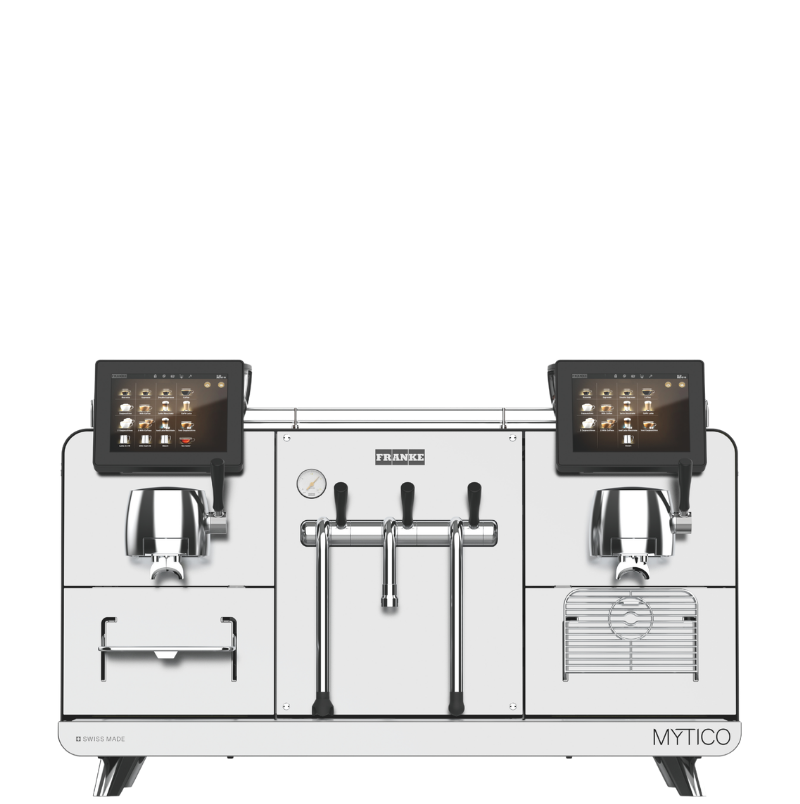
Franke Mytico Due
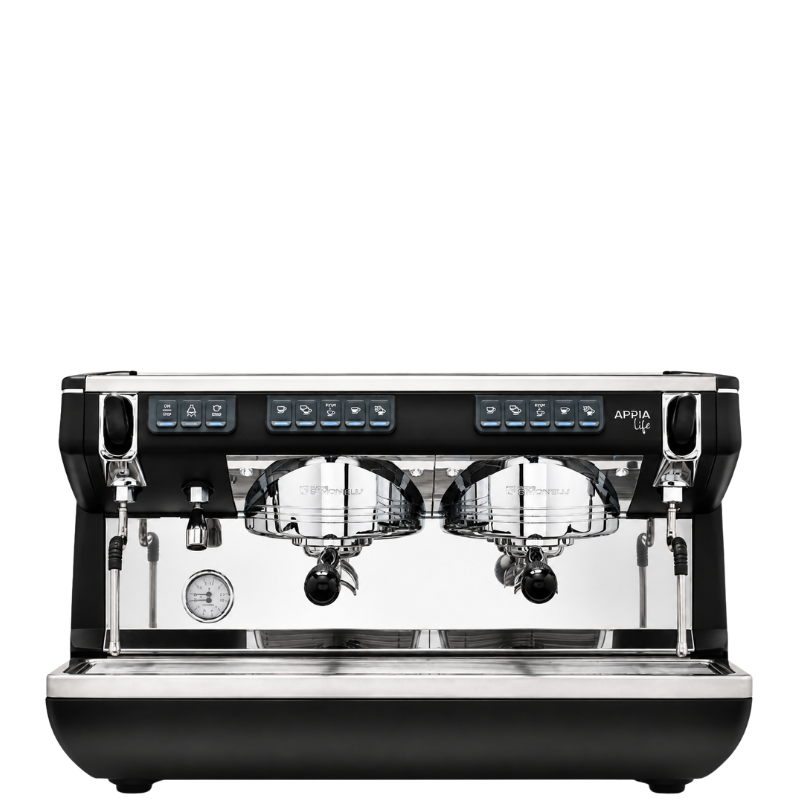
Appia Life
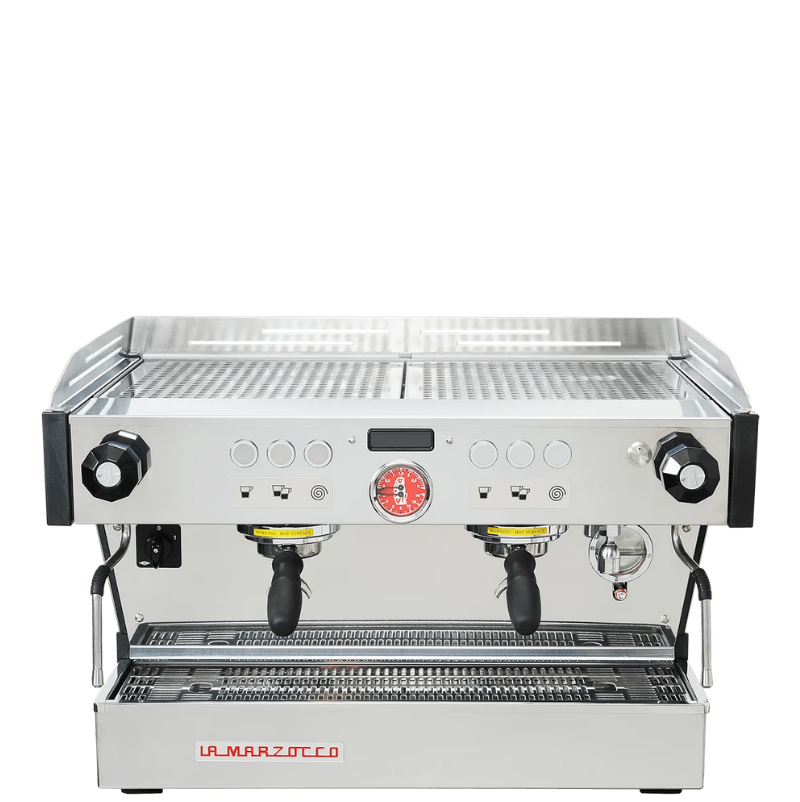
Linea PB
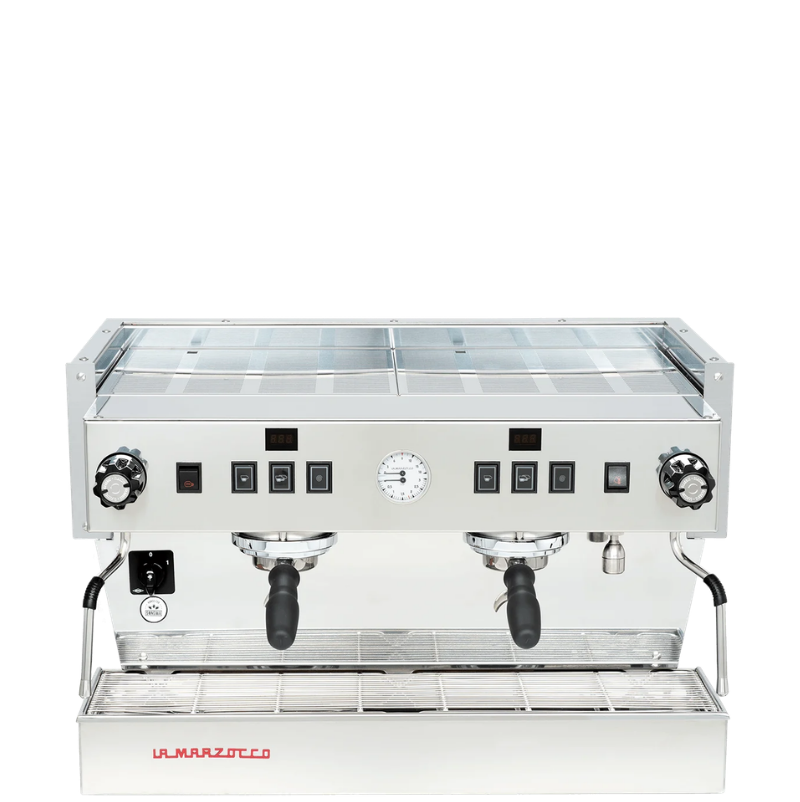
Linea Classic
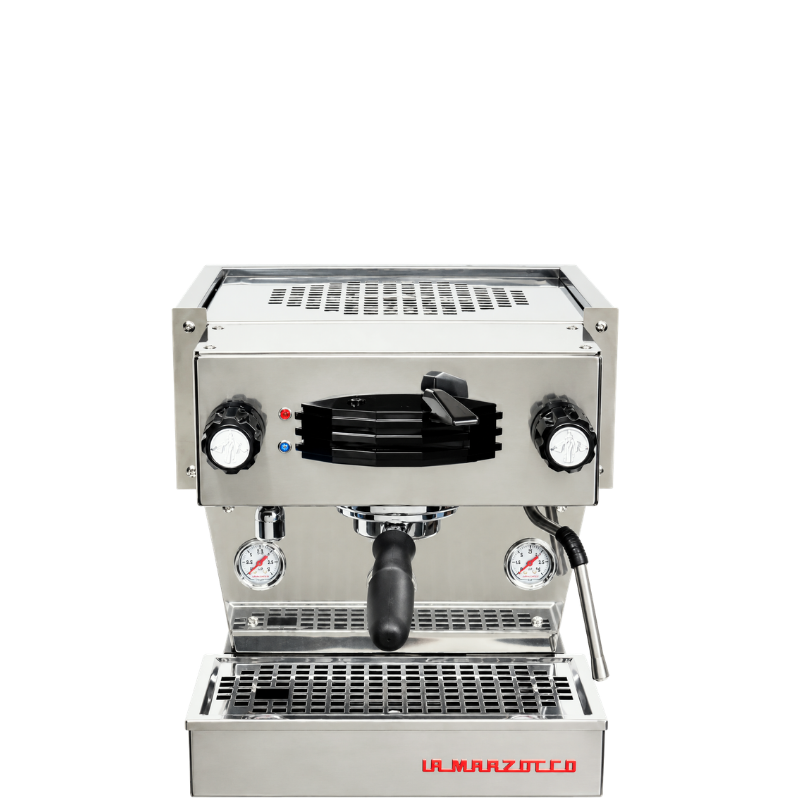
Linea Mini
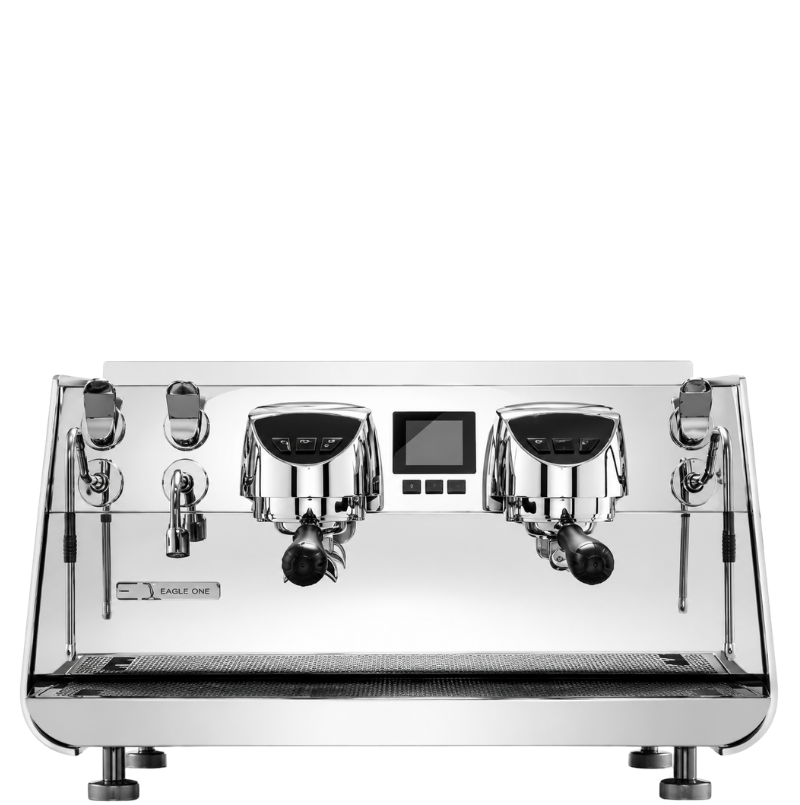
Eagle One
Our expresso coffee machine plans
Purchase
Buy your coffee machine.
Freedom and flexibility.
- Choose your coffee, from us or elsewhere.
- 1-year warranty. Optional maintenance contract.
- Flexible payment solutions to suit your budget.
 Most popular
Rental
Rent your coffee machine.
Peace of mind, with no upfront investment.
- Coffee machine rental with no volume commitment.
- Your coffee supplied by Pleyce.
- Maintenance, unlimited technical support and coffee grounds recycling included.
Why choose Pleyce as your manual espresso machine supplier?

Rare, exceptional coffee
Trust your commercial coffee machine supplier to help you experience coffee at its finest: distinctive beans from carefully selected origins, with captivating aromas from the very first sip. Each commercial espresso machine brings out complex, long-lasting flavours and the unique notes of 100% Arabica coffee, best revealed through slowly roasted, freshly ground coffee beans.
A complete rental package
Renting an espresso machine for your workplace gives you much more than just the equipment. You also benefit from carefully selected coffee, regular maintenance and unlimited technical support at no extra cost. And to go even further, coffee grounds recycling is included.

Performance, durability and design
These machines are designed to fit seamlessly into your workplace, combining performance, durability and style. They offer a solution that is both cost-effective and environmentally friendly. Whether you choose to rent or purchase a commercial espresso machine, our barista experts support you at every stage of your project.

Expert advice, available 24/7
These machines are designed to fit seamlessly into your workplace, combining performance, durability and style. They offer a solution that is both cost-effective and environmentally friendly. Whether you choose to rent or purchase a commercial espresso machine, our barista experts support you at every stage of your project.
How does it work?
Our support is seamless and simple, from your online quote to the day-to-day management of your coffee machine.
We truely value your feedback
They trust us





The guide to choosing the right commercial coffee machine

Exceptional coffee, effortless service
Trust your commercial manual coffee machine supplier to help you experience coffee at its finest: distinctive beans from carefully selected origins, with captivating aromas from the very first sip. Each commercial espresso machine brings out complex, long-lasting flavours, with the unique notes of 100% Arabica coffee, best revealed through slowly roasted, freshly ground coffee beans.
Renting an espresso machine for your workplace gives you much more than just the equipment. You also benefit from carefully selected coffee, regular maintenance and unlimited technical support at no extra cost. Coffee grounds recycling is also included.
These machines are designed to fit seamlessly into your workplace, combining performance, durability and style while offering a solution that is both cost-effective and environmentally friendly. Whether you choose to rent or purchase a commercial espresso machine, our barista experts support you at every stage of your project.
Always ready to provide technical support and deliver coffee from leading local artisan roasters, our technicians are also expert advisers. Their experience and know-how are available to you 24/7 throughout your commercial manual espresso machine rental. From machine settings and technical questions to expert advice, they’ll help you get the very best from every cup.
Why choose a manual espresso machine for your business?
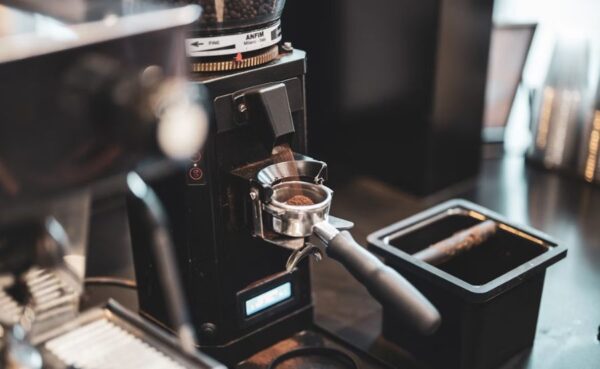
Manual coffee machines give you complete freedom over the extraction process, making them a popular choice among espresso enthusiasts and coffee professionals. Every parameter can be adjusted: water pressure, water temperature, grind size and extraction time. They give you complete control and true barista-level precision throughout the extraction process.
You can adjust each variable to suit the coffee profile or your customers’ taste preferences. This level of control allows you to explore different recipes, correct extraction issues and bring out the subtle aromas of specialty coffee.
But performance goes beyond the cup: when it comes to durability, manual machines have a clear advantage. They are built using hard-wearing materials such as brass and stainless steel, with minimal electronic components. This makes them robust, reliable, repairable and designed to perform for years with the right maintenance. It’s a smart long-term investment for demanding businesses and coffee enthusiasts looking for equipment built to last.
What are the differences between a manual and an automatic coffee machine?
These two types of coffee machines are designed for different needs. Automatic machines handle the entire preparation of espresso and other coffee- or chocolate-based drinks. There’s no need to worry about grind quality, extraction or steaming the milk for a cappuccino.
Simply press a button, wait a few seconds and enjoy. It’s the ideal solution for workplaces where ease of use and speed are key, such as open-plan offices or busy workplaces. Of course, these machines offer less control over extraction, resulting in a more standardised taste than a manual model.
Manual machines, on the other hand, require knowledge, involvement and a good level of expertise to use properly. Once mastered, they allow you to achieve an unrivalled espresso in the cup, with beautifully developed aromas and a smooth, creamy texture. You can also adjust every machine setting to fine-tune the result. And that’s exactly what makes manual espresso machines so appealing.
Frequently asked questions
How to choose a commercial manual espresso machine?
1. Daily volume and number of group heads
Your machine’s capacity needs to match your daily coffee volume. If it is too small, it may overheat and break down. If it is too large, you could be spending more than necessary.
| Estimated daily volume | Number of group heads |
|---|---|
| 20 cups/day | 1 |
| 20–100 cups/day | 1 — 2 |
| 100–200 cups/day | At least 2 |
| 200+ cups/day | 3 — 4 |
2. Boiler type and temperature control
This determines temperature stability, steam power and consistency in the cup. Dual-boiler machines offer:
- More stable temperatures.
- Faster preparation of milk-based drinks such as cappuccinos and lattes.
- Better-quality milk foam and espresso extraction.
Single-boiler machines heat up faster and use less energy, but offer less temperature stability.
There are two main temperature regulation systems used in commercial manual espresso machines: HX (heat exchanger), which is more affordable and responsive but less stable and often requires a flush before each espresso; and PID (Proportional-Integral-Derivative), which provides precise electronic temperature control and consistent extraction without the need to flush.
What is the best commercial manual espresso machine?
Whether you’re a barista, coffee professional or simply a coffee enthusiast, choosing the right machine means finding the right balance between exceptional espresso, consistency and durability. To make your choice easier, we’ve compared several high-performance, reliable models below.
| Feature | Linea Mini – La Marzocco | Linea Classic – La Marzocco | Linea PB – La Marzocco | Appia Life — Nuova Simonelli | Eagle One – Victoria Arduino |
|---|---|---|---|---|---|
| PID | Yes | Dual : coffee and steam | Dual : coffee and steam | No, HX heat exchanger | Yes |
| Pre-infusion | Yes | Yes | Yes | Yes, thanks to the SIS system for gentle infusion | SIS |
| Extraction pressure adjustment | Yes | Yes | Yes | Yes | Yes |
| Built-in grinder | No | No | No | No | No |
| Number of boilers | 2 | 2 | 2 | 1 | 2 |
| Number of group heads | 1 | 1-4 | 2-4 | 1-3 | 2-3 |
| Suitable for | Home use or small businesses | SMEs, coffee shops, hotels, restaurants | SMEs, coffee shops, hotels, restaurants | SMEs, coffee shops, hotels, restaurants | SMEs, coffee shops, hotels, restaurants |
| Coffees per day | 50 | 250 | 250 | 250 | 250 |
Should you rent or buy a coffee machine?
Deciding whether to buy or rent? Here are the main advantages and disadvantages of each option.
If you choose to buy:
| Advantages | Disadvantages |
| You own the machine | Higher upfront cost |
| More cost-effective in the long term | If your coffee needs change, the machine may no longer be suitable |
| Freedom to choose your coffee, consumables and suppliers | Additional maintenance costs if outsourced, with replacement parts not necessarily included |
| You manage all servicing and maintenance yourself | You are responsible for the equipment at the end of its life |
| No contractual commitment to a service provider |
If you choose to rent:
| Avantages | Disadvantages |
| More cost-effective in the short term | You are committed to a contract with a service provider |
| A tailored solution that can evolve with your needs | Less cost-effective than purchasing in the long term |
| Access to up-to-date coffee machine technology | |
| Your provider manages maintenance, supplies and the equipment at the end of its life |
What type of coffee is recommended for a manual espresso machine?
To serve espresso and other drinks with rich, well-developed aromas, choosing the right coffee is just as important as choosing the machine. Always opt for high-quality coffee, with the following criteria in mind:
- Whole coffee beans: they preserve their aromas better when ground immediately before extraction.
- Fresh, locally artisan-roasted coffee: ideally, use beans roasted less than 30 days ago to enjoy their full freshness and aromatic complexity.
- A fine grind suited to espresso, for slow and precise extraction.
100% Arabica coffees are particularly appreciated for their subtle flavours, finesse and aromatic complexity, with fruity, floral or chocolate notes.
Blends containing Robusta produce a denser crema, more pronounced bitterness and greater intensity, making them ideal for those who prefer a stronger espresso.
Some coffee professionals adjust their recipes according to the roast level or origin of the beans to fine-tune the result in the cup.
What pressure is best for a good espresso?
When you purchase a coffee machine, it is generally set to a pressure of 9 bars, considered the ideal standard for producing a rich, balanced and full-bodied espresso. Above this level, you risk over-extraction: flavours become bitter, intensity overwhelms more delicate notes and the cup loses its balance. Below it, under-extraction can result in coffee that is overly acidic, weak and lacking in body.
Experienced users can adjust the pressure to suit the coffee variety, roast level or recipe. Mastering this parameter allows you to optimise extraction for each coffee profile and achieve consistent results, even when using different beans.
What is the ideal dose for an espresso?
To answer this accurately, we can refer to recommendations from the Specialty Coffee Association (SCA). This leading industry organisation has surveyed hundreds of baristas worldwide to establish reliable standards. Using the right dose helps achieve consistent quality, maintain the correct coffee-to-water ratio for espresso and get the most from your machine. Here are the most common guidelines used by professionals:
Single: 7–9 g of ground coffee → 25–30 ml
Double: 18–20 g → 50–60 ml
How to make the perfect espresso with a commercial manual espresso machine?
A high-quality, perfectly prepared espresso can leave a lasting impression on your customers and strengthen your brand image.
- Switch on your machine and allow it to heat up.
- Grind the coffee beans.
- Weigh the coffee using precision scales and tamp evenly.
- Flush a small amount of water through the group head before inserting the portafilter.
- Pre-infuse, if this feature is available.
- Start the extraction.
- Flush the group head again to clean it.
That’s not all. For the best possible result, you’ll also need to adjust the different parameters that influence the quality of your espresso:
Steam power (for milk-based drinks) affects the quality of the foam. The right machine settings help create the silky texture needed for latte art.
Grind size determines the extraction speed. If the grind is too fine, it restricts water flow and produces a bitter, astringent espresso. If it is too coarse, the result will be under-extracted, weak and acidic.
Tamping – the pressure applied to the coffee puck – affects resistance to water flow. Uneven tamping can lead to inconsistent extraction, known as channeling.
Temperature has a direct impact on flavour. It should be adjusted according to the coffee’s roast level, with higher temperatures generally suited to lighter roasts and lower temperatures to darker roasts.
Pre-infusion gently wets the ground coffee before full-pressure extraction. This promotes even extraction and reduces the risk of cracks forming in the coffee puck.
Extraction pressure determines how forcefully the water passes through the coffee. A standard pressure of 9 bars is ideal, although some machines allow you to adjust the pressure profile for specific requirements.
Extraction time, generally between 25 and 30 seconds, determines how long the coffee’s flavours are extracted. Too short and the espresso can taste acidic; too long and it can become bitter.
PID (Proportional-Integral-Derivative) is an electronic temperature controller found on some high-end manual machines. It keeps the water temperature extremely stable, down to a fraction of a degree. This stability is essential for consistent extraction from one cup to the next and allows settings to be fine-tuned to suit the coffee being used.
How to maintain a manual espresso machine?
As we’ve seen, a manual espresso machine is built to last. But regular maintenance is essential to keep it performing at its best.
For optimal maintenance, make sure you have the right accessories: a cleaning brush, descaling tablets and a microfibre cloth for the steam wand. When preparing your quote, our advisers will also recommend the coffee grinder best suited to your machine.
Daily maintenance
Flush the group head after each extraction to remove coffee residue and oils.
Clean the steam wand before and after use to prevent milk residue from building up.
Wipe the portafilter and group head shower screen after each coffee.
Weekly maintenance
Flush the group heads with water and/or detergent at least once a week.
Clean the portafilters by soaking them for 20 minutes in a suitable cleaning solution, then rinse thoroughly.
Every 4 to 6 months
Descale the machine using a suitable product.
Carry out a complete technical inspection, including pressure gauges, valves and seals.
With Pleyce, you’re never left to manage maintenance alone: our rental packages include regular servicing by our technicians, as well as unlimited technical support at no extra cost. Whether your machine needs descaling, a technical inspection or an unexpected repair, our team responds quickly to keep it performing at its best.
